


How to Play Spanish 21 starts with one key difference: the game uses a Spanish deck with all the 10s removed, while face cards still count as 10. It may look like blackjack, but extra rules can change how you play, and what a hand pays. At Shakebet online casino, understanding the rules can help you make more confident choices at the table.
If you already know blackjack, a separate guide helps you spot those differences before they catch you off guard. We’ll walk through how a hand works, when rescue or surrender may be available, and which bonus hands to look for. Then we’ll compare Spanish 21 with blackjack, so you can see how the rules, and the odds, stack up.
So What Exactly Is Spanish 21?
Spanish 21 is a lively twist on blackjack, played with a 48-card deck. The four 10s are taken out, but jacks, queens and kings still count as 10. Your aim is simple: finish closer to 21 than the dealer without going over. Reach 21, and you’ll usually win—though the table’s rules decide exactly how your hand pays.
You may also see Shakebet’s promotions while browsing. These are separate from Spanish 21’s in-game bonus hands, so check the game rules and promotion terms before you play.
What the Missing Cards Change
Removing the 10s makes it harder to build a total of 20 or form a two-card 21 with an ace and a 10-value card. Face cards still count as 10, so they remain useful—but there are fewer 10-value cards overall.
That changes which starting hands appear and can affect your decisions. Spanish 21 adds player-friendly rules and bonus payouts to balance the game, so check the table’s details before you bet.
How a Hand Runs at the Table
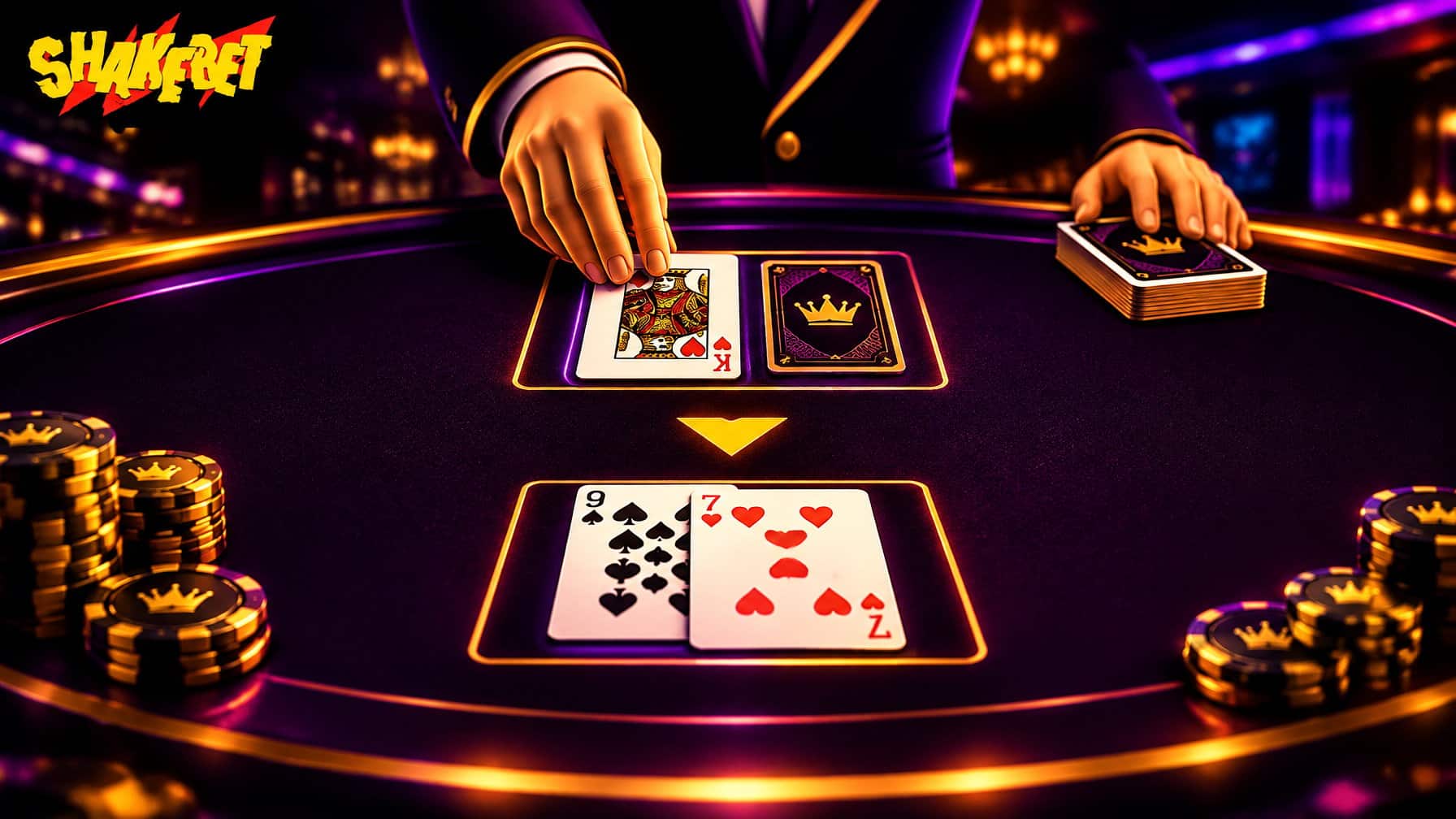
A Spanish 21 hand starts when you place your bet and the dealer deals the cards. You’ll usually see your own cards and the dealer’s face-up card. That up card matters: it gives you a clue about the dealer’s likely total and can help guide your next move.
Players act first, one at a time. Once everyone has finished, the dealer reveals any hidden card and follows the table’s fixed rules. Watching live dealer games can help you get familiar with how table play unfolds, though it doesn’t mean Spanish 21 is available there.
The Choices Every Hand Starts With
On your turn, you can usually hit to take a card or stand to keep your total. Depending on your cards and the table rules, you may also double down, split a pair or surrender.
Some options, such as doubling after a split or using rescue, aren’t offered at every table. Before making a move, check the game’s rules so you know what’s allowed and when.
Bonus Hands: The Slot-Style Side of Spanish 21
Spanish 21 bonus hands add a prize-style twist to the usual hit-or-stand decisions. Like casino slots, the game uses a paytable to show which combinations qualify and how much each pays. The exact awards vary by game, so treat these figures as examples, not guaranteed payouts, and check your table’s paytable before betting.
| Bonus Hand | Pays | Notes |
| 5-card 21 | 3:2 | Five cards totaling 21 |
| 6-card 21 | 2:1 | Six cards totaling 21 |
| 7+ card 21 | 3:1 | Seven cards or more totaling 21 |
| 6-7-8 mixed suits | 3:2 | Three-card 21 |
| 6-7-8 suited | 2:1 | Same suit |
| 6-7-8 spades | 3:1 | All three cards are spades |
| 7-7-7 mixed suits | 3:2 | Sevens in different suits |
| 7-7-7 suited | 2:1 | All three sevens share a suit |
| 7-7-7 spades | 3:1 | All three cards are spades |
Super Bonus Conditions and Payouts
The Super Bonus is an extra prize for landing a qualifying hand, often a three-card 7-7-7. The exact combination and payout depend on the table’s paytable. Some versions also offer a separate award based on the size of your original wager, with higher bets qualifying for larger payout bands.
Check the conditions carefully: splitting, doubling, or making another move may disqualify a hand from the bonus. The rules differ by game, so confirm what counts before you play.
Envy Bonus Basics
An Envy Bonus can reward other players when someone at the table hits a qualifying bonus hand. For example, you might receive an extra payout because another player landed a special combination.
It’s a table-wide perk, not a prize you can count on. Check which hands trigger it and who qualifies.
Match the Dealer, Step by Step
Match the Dealer is an optional side bet that checks whether either or both of your first two cards match the dealer’s upcard. A suited match means the cards share both rank and suit; a non-suited match shares the rank only.
Here’s the paytable published by Rivers Casino Philadelphia. It’s one casino’s example, not a standard for every Spanish 21 game, so check the paytable at your table before betting.
| Match Type | Pays | Casino Source |
| 1 non-suited match | 3:1 | Rivers Casino Philadelphia |
| 2 non-suited matches | 6:1 | Rivers Casino Philadelphia |
| 1 suited match | 2:1 | Rivers Casino Philadelphia |
| 1 non-suited and 1 suited match | 15:1 | Rivers Casino Philadelphia |
| 2 suited matches | 24:1 | Rivers Casino Philadelphia |
Spanish 21’s Special Rules
Spanish 21 adds player-friendly options such as flexible doubling, late surrender and bonus payouts. These rules help balance the game’s missing 10s, which make 10-value cards less common than in regular blackjack. The details aren’t identical everywhere, so check the table rules before you play.

When You’re Dealt Blackjack
A two-card 21, an ace plus a 10-value card, is a natural blackjack. It typically pays even money, rather than the 3:2 payout common at many blackjack tables. Spanish 21 often treats your 21 as a winner even if the dealer also has 21, but confirm the rule at your table.
Making 21 With More Than Two Cards
In Spanish 21, a 21 made with three or more cards can still beat the dealer’s 21 under the game’s usual rules. The number of cards can matter, too: some tables offer bonus payouts for certain multi-card 21s. Check the paytable to see which combinations qualify.
Splitting Pairs the Spanish 21 Way
If your first two cards have the same rank, you can usually split them into two hands by placing another bet equal to your original wager. Each hand is then played separately. Rules for resplitting vary, so check how many splits are allowed.
Aces often have special restrictions: you may receive only one card on each split ace. Some tables allow you to hit or double split hands, while others limit those moves. Read the rules before splitting, especially if you’re counting on playing each new hand freely.
What Doubling Down Allows Here
Doubling down means adding a second bet after your first two cards, then receiving one more card. Many Spanish 21 tables let you double on a wide range of starting totals, not just the totals allowed in some blackjack games.
Some versions also allow doubling after a split, which can create more ways to build a strong hand. But the permitted totals, number of doubles and rules for split hands vary by casino. Check the table’s instructions before adding chips.
The Rescue Option After Doubling
At tables that offer rescue, you may be able to give up a doubled hand after receiving your one extra card and lose only your original wager. It can soften the risk of doubling, but it isn’t available everywhere.
Rescue generally can’t save a hand that has already busted. Check when the option appears and follow the game’s instructions; restrictions depend on the table.
Surrender: Folding a Weak Hand
Surrender lets you fold a hand and lose only part of your original bet—often half—rather than risk playing it out. It can be worth considering when your total is weak and the dealer’s upcard looks strong.
For example, you have 16 against a dealer’s 10. If late surrender is available and the rules make hitting or standing unattractive, surrender may limit your loss. Use a Spanish 21 strategy chart for the exact decision at your table.
How to Play Your Hands
Spanish 21 may look like blackjack, but its missing 10s and extra rules can change the best move. Use a strategy chart made specifically for Spanish 21, not a standard blackjack chart. You can find charts through reputable game guides, such as Wizard of Odds, and compare them with the rules at your table.
Set a bankroll before you start, choose stakes that let you play comfortably, and decide when you’ll stop. Take breaks, and don’t raise your bets to chase losses. A chart can guide decisions, but it can’t guarantee a win.
Table Conduct: What to Know
At a live table, follow the dealer’s instructions, keep your cards and chips where they can be seen, and wait until a hand ends before changing your bet. These habits help prevent misunderstandings and keep the game moving smoothly.
Once the first card is dealt, bets are usually locked so no one can change their wager after seeing information that could affect the hand. Online, the software handles this automatically, just check your bet before the deal begins.
Spanish 21 vs Blackjack: A Fair Odds Comparison
Spanish 21 and blackjack can both offer a relatively low house edge, but the exact odds depend on the table rules and your decisions. Wizard of Odds lists Spanish 21 at 0.40% when the dealer stands on soft 17, and 0.76% under an alternate set of rules where the dealer hits soft 17 and redoubling isn’t allowed.
What you’ll notice most is Spanish 21’s missing 10s, bonus hands and extra player options. House edge is a long-term estimate, not a promise about tonight’s results,short sessions can swing either way.
| Game | Rule Set Assumed | House Edge | Source |
| Spanish 21 | Dealer stands on soft 17 | About 0.40% | Wizard of Odds |
| Spanish 21 (alternate rule set) | Dealer hits soft 17; redoubling not allowed | About 0.76% | Wizard of Odds |
| Standard blackjack | Six decks; dealer stands on soft 17; 3:2 natural; optimal strategy | About 0.4% | Wizard of Odds |

Same Name, Different Rules: Spanish 21
Spanish 21 rules can change from one casino to another, so don’t assume the same side bets, limits or payouts everywhere. Here’s a snapshot of the published rules at three casinos. “Not listed” means the cited page doesn’t specify the detail, not necessarily that the feature is unavailable.
Before playing, check the casino’s current Spanish 21 rules online or ask the dealer to point out the table’s posted paytable and rules.
| Rule | Seneca Buffalo Creek Casino | Blue Lake Casino | Rivers Casino Philadelphia |
| Match the Dealer payouts | Not listed | Not listed | 3:1, 6:1, 12:1, 15:1 and 24:1, depending on matches |
| Match the Dealer bet limits | Not listed | Not listed | $1 minimum; up to the main wager, with a $500 maximum |
| Double Down Rescue offered | Yes; recover the doubled portion and forfeit the original wager | Not listed | Yes; take back the doubled portion and forfeit the original wager |
| Insurance offered | Not listed | Yes; described when the dealer shows an ace | Yes; up to half the original wager when dealer shows an ace |
| Surrender terms | Not listed | Late surrender described; half the bet is forfeited | Surrender half the wager on the first two cards; dealer blackjack may affect the loss |
| Bonus payout differences | General note: 21 against dealer’s 21 can pay up to 3:1 | Lists 5-card, 6-card, 7+ card 21, 6-7-8 and 7-7-7 bonuses | 5-card 21: 3:2; 6-card: 2:1; 7+ cards: 3:1; 6-7-8 and 7-7-7 bonuses, plus Super Bonus and Envy Bonus |
Questions Players Ask About Spanish 21
-
Yes. If you understand card values and the aim of blackjack, you already have a useful starting point. Learn the table’s special rules before betting, and take your time with each decision. A strategy chart can help, but it won’t guarantee a win.
-
No. Casinos can set different rules and payouts, so check the game’s paytable before you play. Extra payouts may include bonuses for multi-card 21s, special 6-7-8 or 7-7-7 hands, and optional side bets such as Match the Dealer.
-
It’s more complicated than using a standard blackjack counting system. Spanish 21 removes all the 10s, so a regular count designed for a full deck won’t fit neatly. Card counting also requires skill, and casino rules may restrict advantage play.
-
A Spanish deck is a 48-card deck with the four 10s removed. Jacks, Queens and Kings stay in and still count as 10. Spanish 21 games may use multiple decks, so check the table rules to see how many are dealt.
-
Sometimes, but it depends on the casino’s rules. Some tables give each split ace just one card, while others may allow further play. Check the rules before splitting aces so you know what options you’ll have.